The Uranium Market at an Inflection Point: Insights from Cameco's Grant Isaac
April 7, 2026
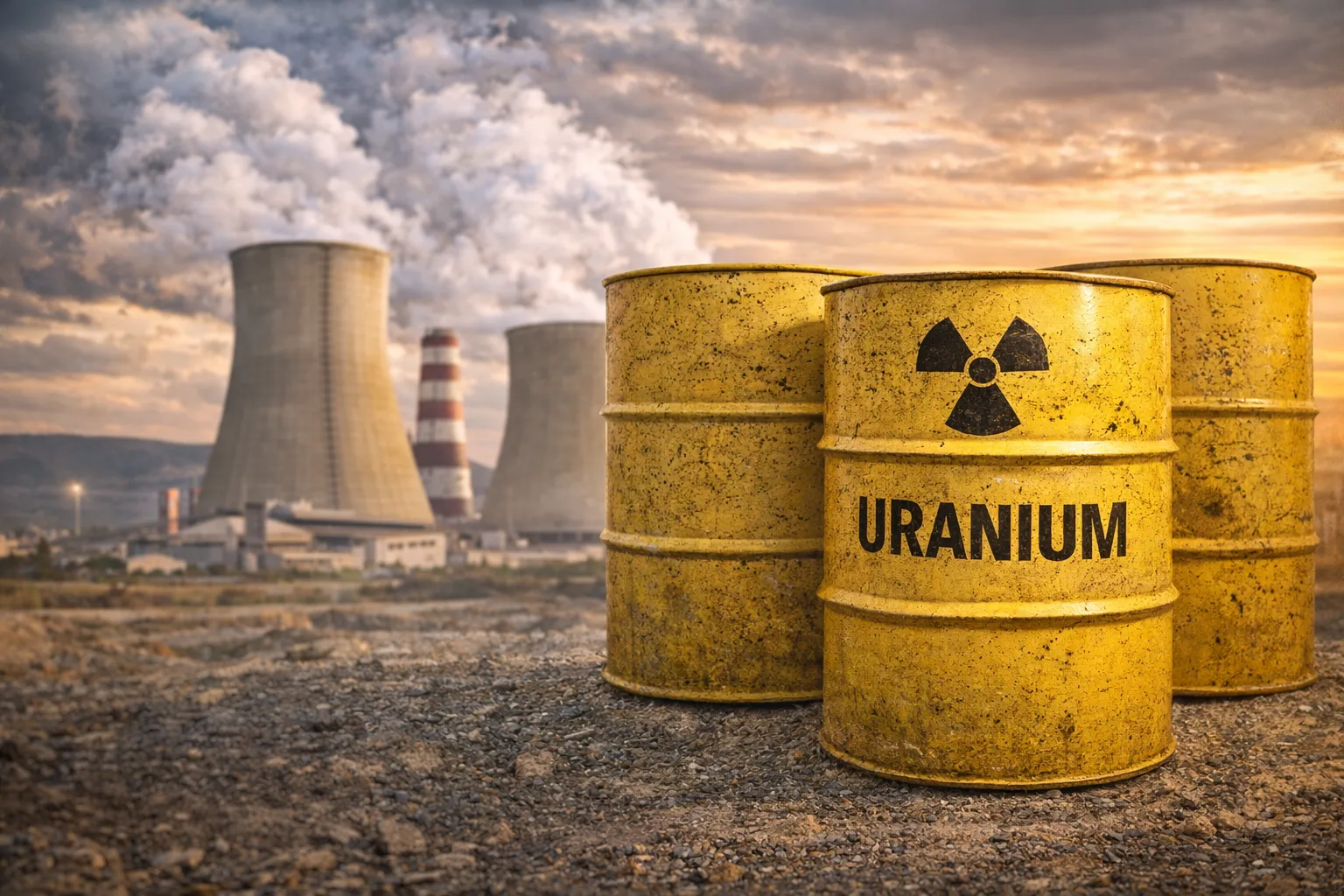
Uranijske bačeve i nuklearne kule

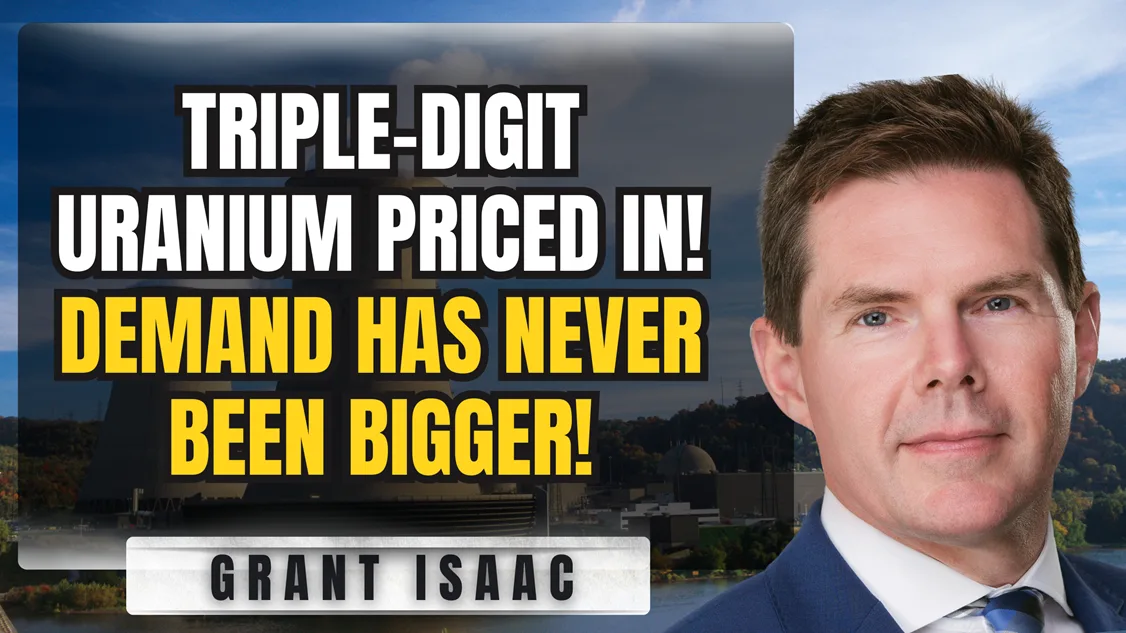
In a recent talk with Grant Isaac, President and Chief Operating Officer of Cameco, provided a deep and nuanced perspective on the uranium market, its structural dynamics, and the forces shaping its future. His insights reveal a market that is often misunderstood, structurally unique, and potentially on the cusp of a significant transformation.


Geopolitics and Uranium: Why Nuclear Stands Apart

The ongoing geopolitical tensions, including conflict involving Iran and disruptions in the Strait of Hormuz, have rattled global energy markets. Yet, according to Isaac, uranium remains relatively insulated.

Unlike oil and gas, nuclear energy is not exposed to short-term supply shocks in the same way. This is because:

  • Uranium is procured years in advance through long-term contracts
  • Nuclear fuel cycles are planned over multi-year horizons
  • Utilities prioritize security of supply over spot pricing

Isaac emphasizes that nuclear energy is a “hardened” form of electricity — reliable, resilient, and essential for baseload power such as hospitals, infrastructure, and communications.

In fact, geopolitical instability may strengthen the nuclear thesis. Historically, major nuclear buildouts in the West have followed energy crises. Today's environment could once again catalyze long-term investment in nuclear infrastructure.


The India Deal: A Signal of Sovereign Demand

Cameco's recent 9-year uranium supply agreement with India is more than just a commercial transaction—it is a strategic signal.

Key takeaways from the deal:

  • Covers nearly 22 million pounds of U₃O₈ (2027–2035)
  • Structured on market-related pricing , not fixed prices
  • Reflects growing sovereign demand for uranium

Isaac highlights a critical trend: sovereign buyers are reasserting themselves in the uranium market. Countries like India and China are aggressively securing future supply, often outside traditional Western markets.

This has two major implications:

  1. Reduced availability of uranium for Western utilities
  2. Increasing urgency for utilities to secure long-term contracts

The Contracting Cycle: A Market Still Below Replacement Rate

Despite growing demand, the uranium market is still not fully contracting at replacement levels.

  • Global consumption: ~190 million pounds/year
  • 2025 long-term contracting: ~116 million pounds

This gap is crucial. It indicates:

  • Significant uncovered future demand
  • A backlog of utilities that must eventually enter the market

Isaac identifies two types of utility behavior:

1. Security-Driven Buyers

  • Accelerating contracting
  • Locking in larger volumes over longer periods
  • Motivated by geopolitical risk and energy security

2. Wait-and-See Buyers

  • Expect future supply to increase
  • Rely on optimistic projections of new mines
  • Risk of being forced into a tighter market later

Cameco's strategy is clear: meet demand, but never chase it .


Market-Related Contracts: The Hidden Pricing Signal

A major structural shift in uranium contracting is the dominance of market-related pricing .

  • ~70% of 2025 contracts were market-related
  • Only ~30% were fixed (base-escalated)

In these contracts:

  • Prices are determined at the time of delivery
  • Floors and ceilings (price bands) are negotiated

Current Pricing Dynamics:

  • Floors: mid-$70s (escalated)
  • Ceilings: up to $150–$160

This reveals a critical insight:

Utilities are already modeling uranium prices in the triple-digit range .

Because market-related contracts are not fully reflected in published prices, the commonly cited long-term price (~$90/lb) understates the true market reality .


The Spot Market Myth

One of Isaac's strongest arguments is that the uranium spot market is widely misunderstood.

Key Features:

  • No fundamental “in-year” demand
  • Fuel is purchased years in advance
  • Spot buying is discretionary, not essential

As a result:

  • Small volumes (200k–300k pounds) can move prices disproportionately
  • Traders and intermediaries dominate activity
  • Producers selling into spot often destroy value

Isaac calls spot exposure:

“Historically a disastrous strategy.”

Instead, Cameco prefers:

  • Long-term contracts
  • Market-related pricing
  • Strategic spot purchases (to protect contract value)

Supply Constraints: A Structural Deficit

The uranium market is facing a growing supply challenge.

Key Issues:

  • Disruptions in Kazakhstan (acid supply constraints)
  • Loss of supply from regions like Niger
  • Reallocation of uranium to China and India
  • Underinvestment in new mines

Isaac stresses that:

  • New supply takes years (often decades) to develop
  • Costs and timelines are frequently underestimated
  • The market is overly optimistic about future production

The Path Forward: Brownfield First, Then Greenfield

Cameco's approach to supply growth is disciplined and phased.

Short to Medium Term:

  • Utilize brownfield capacity (existing mines)
  • Potential to reach 36–38 million pounds/year

Long Term:

  • New greenfield projects will be required
  • Including higher-risk, first-of-a-kind developments

However, production will only increase when:

"The market tells us to—through long-term demand and pricing."


Vertical Integration: Building a Nuclear Platform

Cameco is no longer just a uranium producer—it is evolving into a full nuclear fuel cycle company .

With assets spanning:

  • Uranium mining
  • Conversion
  • Fuel fabrication
  • Reactor services (via Westinghouse)

This integration allows Cameco to:

  • Capture value across the entire fuel chain
  • Respond to bottlenecks (eg, conversion shortages)
  • Engage earlier in reactor development decisions

Crucially, this strategy enhances uranium demand , rather than replacing it.


M&A Strategy: Discipline Over Expansion

Despite strong market conditions, Cameco remains cautious on acquisitions.

Why?

  • Existing portfolio: ~1 billion pounds of resources
  • Strong brownfield leverage
  • Many junior projects are overvalued relative to risk

Isaac emphasizes:

“We won't trade discipline for excitement.”


Outlook: What Investors Should Watch

Looking ahead, several key catalysts could reshape the uranium market:

1. Reactor Build Decisions

  • Potential acceleration of large-scale nuclear projects
  • Particularly in Western markets

2. Supply Reality Check

  • Delays in new projects
  • Continued geopolitical disruptions

3. Contract Acceleration

  • Move towards replacement-rate and beyond
  • Potential for price inflection

Isaac believes the market is underestimating the supply gap, and that:

"Extraordinarily strong pricing" may lie ahead.


Conclusion: A Market on the Brink

The uranium market is structurally unique, deeply misunderstood, and increasingly strategic.

Key themes emerging from Isaac's insights:

  • Nuclear energy is gaining geopolitical importance
  • Sovereign demand is reshaping supply dynamics
  • Long-term contracting—not spot pricing—drives value
  • Supply constraints are real and persistent
  • Pricing signals already point to higher future levels

In short, uranium is not just another commodity—it is becoming a strategic resource in a world prioritizing energy security and reliability .

And as Isaac makes clear, the market may only be in the early stages of recognizing that reality.
Watch the interview here:

Join our Newsletter!

Sign up to our free monthly newsletter to recieve the latest on our interviews and articles.

By subscribing you agree to receive our newest articles and interviews and agree with our Privacy Policy.
You may unsubscribe at any time.