Presented company is our client so this should be considered as paid promotion!
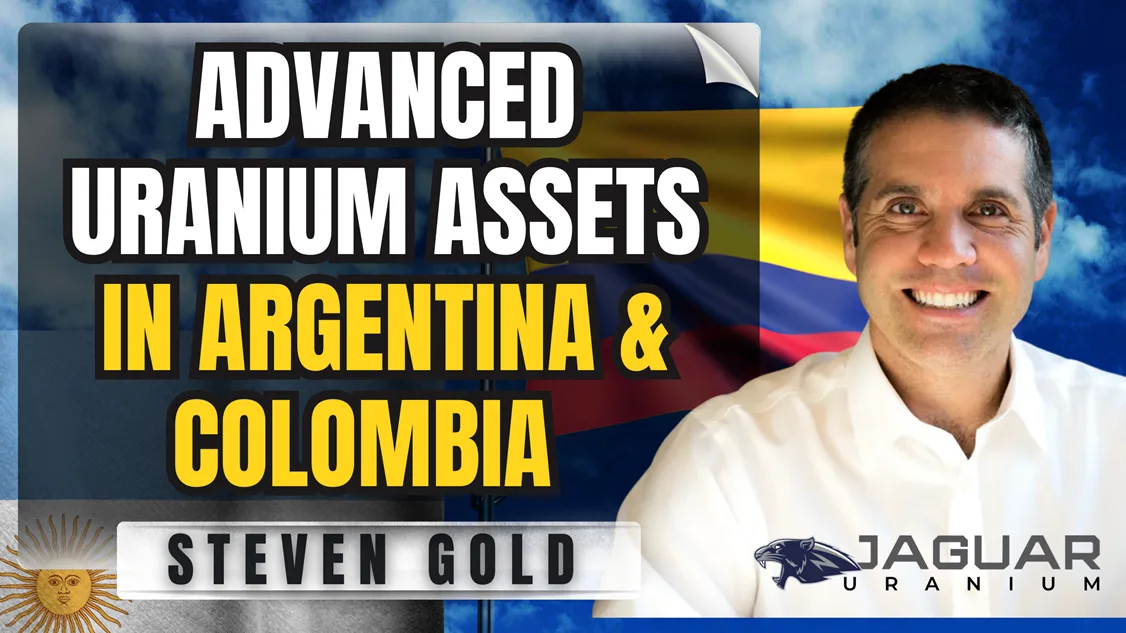
With uranium markets tightening and a global nuclear energy revival accelerating, newly listed exploration and development company Jaguar Uranium (NYSE American: JAGU) believes it is positioned to supply the next generation of reactor demand. In a recent deep-dive talk, CEO Steven Gold outlined the company’s IPO, asset portfolio, and long-term strategic vision.
This article expands on that conversation, adding context and structure to help readers understand Jaguar’s role in a changing global uranium landscape.
Jaguar completed its $25 million IPO at $4 per share, issuing about 6.25 million Class A shares. According to Gold, the timing was driven by several factors converging at once:
A Growing Uranium Supply Deficit
Gold explained that the uranium market is entering a structural shortfall:
This imbalance, Gold argues, will force utilities to “bid up prices and search the world for new supply, because they have no choice.”
Jaguar was founded in 2022 by a management team with more than 25 years in natural resources. Their goal was to create a company positioned for a multi-decade uranium supercycle, not just a short-term rally.
Why South America?
The team scoured global jurisdictions but found ideal projects in Argentina and Colombia, two countries with:
Jaguar’s portfolio is unusual because it includes:
Gold describes these as “third-inning assets,” meaning much of the early exploration risk has already been removed.
The Berlin Project (Colombia): Advanced, Well-Resourced, and Infrastructure-Rich
The Berlin Project is one of Jaguar’s cornerstone assets.
Why Berlin Stands Out
This saves years of drilling time and millions in exploration costs.
Only about one-third of the property has been historically explored, leaving significant upside.
The project also contains meaningful amounts of:
These credits could substantially reduce future production costs.
The project benefits from:
Jaguar is in advanced stages of environmental and social permitting—work that has been ongoing for years.
Expected timeline:
Gold notes that the Caldas region has hosted mining for centuries, making community relations strong and pragmatic.
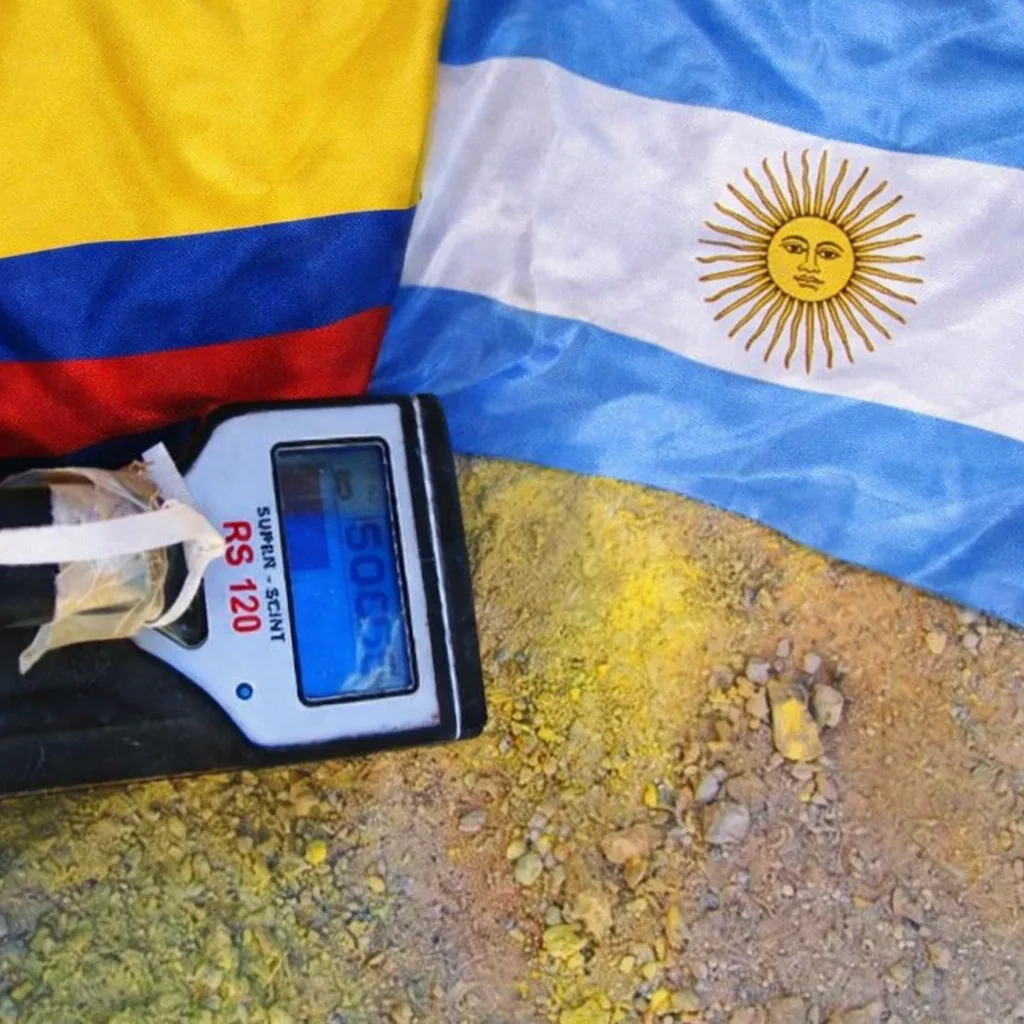
Jaguar’s Argentine assets were acquired from IsoEnergy and include four properties, two of which were former producers:
Why Argentina Matters Again
Beginning in the 1940s, Argentina built an entire nuclear infrastructure:
But when uranium prices collapsed in the 1990s, the state closed mines—not because they were depleted, but because uranium traded at $8–14 per pound and importing uranium made more sense.
Now, uranium is near $90/lb, and Argentina:
The motivation to restart domestic production is enormous.
Key Advantages of Jaguar's Argentine Portfolio
These are not grassroots projects—they have known geology, historical engineering work, and production history.
One property holds ~2% copper, which on its own is economic. Jaguar will use this as a cost-reduction credit.
Early models indicate the exploration lands could host:
Jaguar plans a multi-year drilling program to validate this.
Argentina’s Political Renaissance
Gold highlighted that the relationship between the U.S. and Argentina has never been stronger, referring to close cooperation between the Trump and Milei governments.
According to Gold:
A major 2026 catalyst could be an cooperation agreement with the CNEA—Argentina’s national nuclear agency—which holds decades of geological data.
With $25 million raised, Jaguar estimates that it has over two years of financial runway.
Management intends on allocationg funding to all five assets , and the company plans to:
Gold believes many legacy state-run uranium sites could be more valuable within Jaguar’s larger portfolio than on a stand-alone basis.
Jaguar’s two major shareholders are:
Green Shift CommoditiesThese groups know the assets intimately and provide strong institutional backing.
Leadership: Experienced, Regionally Specialized, and Well Connected
Gold highlighted several key team members:
Steven Gold – CEO
Luis Ducassi– Executive Director
Advisors
Investors can expect:
Near-Term
Mid-Term
Longer-Term
Conclusion
Jaguar Uranium enters the public markets with a rare setup:
If Jaguar’s Argentinean and Colombian assets prove out as management expects, the company could emerge as one of the first major new uranium suppliers in South America in decades—just as the world faces an unprecedented uranium shortage.
WATCH THE INTERVIEW HERE: