
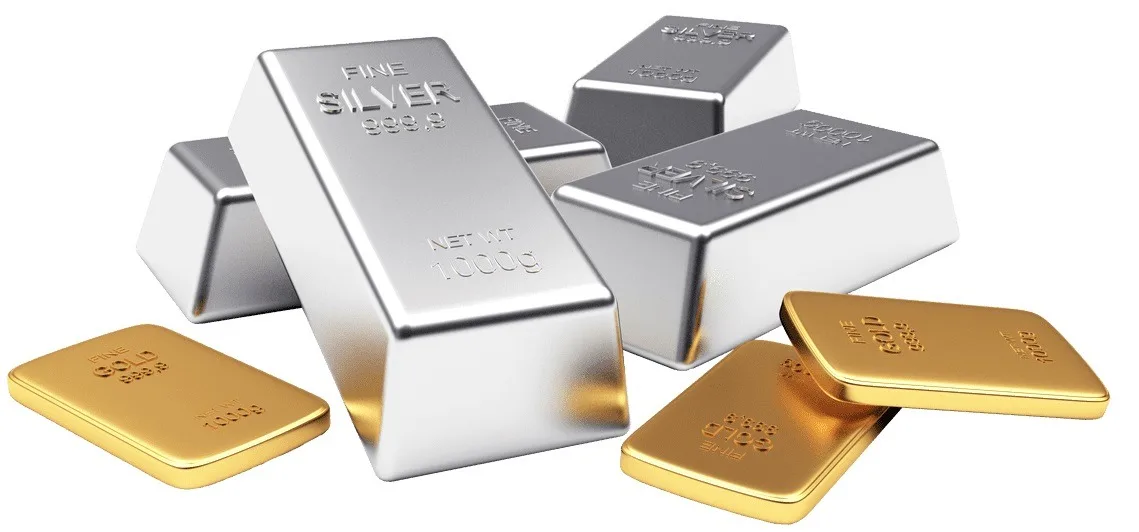
We sat down with investment professional and entrepreneur Thomas Parilla, president of Parilla Investment Group, for one of the most consequential conversations yet about precious metals, global power shifts, and the trajectory of fiat currencies.
Parilla—known for his long-term analysis of gold and silver markets—offered one of his most assertive outlooks to date: the longtime regime of paper-based metal pricing is breaking down, global monetary power is shifting eastward, and exploration-stage mining companies are positioned to become the biggest winners of the next cycle.
From COMEX stress fractures to inflation dynamics and the potential end of the US dollar’s global dominance, this interview was packed with high-impact statements that deserve a deeper look.
The discussion opened with what is arguably the hottest topic in commodities: the massive surge in silver, up more than 80–85% this year, accompanied by strong ETF inflows and record physical demand.
Parilla did not mince words.
For decades, he argued, gold and silver prices were shaped not by physical supply and demand but by paper-based trading, spoofing, and leverage by major banks. But this system is now at a breaking point.
According to Parilla:
COMEX came “close to breaking” recently, with delivery requests overwhelming registered inventories.
March deliveries, he believes, are a key tipping point—especially if silver is above $75.
Physical demand is now driving the market, not derivative activity.
One of the most striking revelations: JP Morgan now controls roughly 40% of COMEX silver, a concentration unheard of in modern times. Parilla alleges that while the bank was involved in spoofing that held prices down for years, it was simultaneously accumulating vast physical quantities—alongside China, which has its own motives for stockpiling.
This combination of huge physical demand, thinning supply, and stress in the paper markets points, in Parilla’s eyes, to the inevitable:
a COMEX default scenario, forced not by domestic market dysfunction but by the Chinese.
Parilla believes China is executing a deliberate and long-term geopolitical strategy to break Western pricing control of precious metals.
Drawing a historical parallel to the Viet Minh’s willingness to endure massive losses to defeat the French at Dien Bien Phu, he argues that China is prepared to “throw everything they have” at breaking COMEX’s dominance.
Why?
Because whoever controls metals pricing—especially gold—controls:
Global trade flows
Confidence in currencies
Reserve currency status
Geopolitical leverage
If COMEX falters, pricing power would shift from New York and London to Shanghai.
This could trigger:
A weakening of the US dollar
A move toward a gold-backed yuan or BRICS currency
A rebalancing of global economic leadership
According to Parilla, the Chinese have spent years cleaning up their metals market—melting questionable bars, verifying purity, and positioning the Shanghai Gold Exchange as a credible alternative.
The West, he suggests, allowed this transition to happen by suppressing prices to such extremes that mining companies collapsed and physical metal was absorbed cheaply by foreign buyers.
With structural deficits in silver continuing for years but never reflected in price, Parilla expects premiums to rise sharply as physical markets reclaim control from paper markets.
He points out that in every other commodity—from bananas to copper—shortages drive prices higher. Yet precious metals have been an exception because of derivative manipulation.
As vaults empty and physical demand surges, Parilla believes prices will violently realign with true supply and demand, pushing premiums far higher and marking the start of a long-overdue repricing phase.
When asked about US tariffs and their role in metals markets, Parilla offered a contrarian perspective: tariffs were less about trade disputes and more about onshoring gold and silver back to the US.
Further, he explained the two types of inflation currently in play:
Caused by supply chain disruptions (such as those during the Biden years).
Driven by excessive money printing and currency debasement—the “Weimar path.”
While US inflation appears tame today due to low fuel costs, Parilla warns that natural gas spikes could soon pressure households and politics. Here he sees opportunity for traders through leveraged natural gas ETFs like BOIL and KOLD, particularly under a Trump administration likely to respond by unleashing US frackers.
Parilla reaffirmed—but slightly nuanced—his price forecasts.
His models project:
$5,000 gold by January
$75 silver by January
$7,500 gold within a year
$125 silver within a year
US dollar index falling to 90 (from around 99)
Fed policy is the wild card. Rate cuts could accelerate movement toward those targets.
When asked about the future of the US dollar, Parilla responded unequivocally:
Fiat currencies die. All of them. And the US dollar is no exception.
The key, he argues, is whether the transition is chaotic or managed.
Parilla expects:
A controlled decline of the dollar
A return to gold backing—fully or partially
Bretton Woods 2.0, where nations agree on a global commodity-based system
A tight window before China introduces its own gold-backed alternative
The global fiat system is not sustainable, he says, citing crippling debt loads in Japan, Germany, and across the West. The clock is ticking.
Perhaps the most actionable insights from Parilla came when discussing where he would invest $2–3 million right now.
His answer was immediate:
Exploration miners—especially in the Golden Triangle of British Columbia.
Why exploration companies?
They are last in the cycle to move—but when they move, they explode.
Producers have already begun their run.
Supply shortages will force majors to acquire new deposits.
Exploration names offer the highest potential percentage gains.
Parilla’s favorites include:
Goliath Resources (his largest holding)
Juggernaut Exploration (adjacent to Goliath)
Doubleview Gold Corp.
Arizona Gold & Silver (his only US-based exploration play)
Plus several additional Golden Triangle names such as Onyx Gold
He stresses diversification—holding 8 to 10 exploration companies to build a “personal exploration fund.”
Parilla—though not currently invested in uranium—agrees that nuclear’s renaissance is far from over. Driven by AI and electrification, he believes the uranium cycle may last five years or more.
But the most explosive opportunity may be in strategic minerals, which he expects to become a national security priority for Western nations.
Materials like:
Fluorspar
Barite
Manganese
Rare earth elements
Will become essential in a world of geopolitical tension and supply chain risks. Parilla envisions a “Manhattan Project” scale mobilization for resource independence across the US, Canada, and Australia.
Thomas Parilla paints a picture not of minor adjustments but of a world entering an inflection point:
Precious metals are escaping decades of manipulation.
Physical markets are overwhelming paper markets.
China is strategically positioned to seize pricing power.
The US dollar faces structural decline.
Exploration miners offer generational investment opportunities.
Strategic minerals will become a geopolitical battleground.
The global monetary system is drifting toward commodity backing—and soon.
This is not simply about rising metal prices.
It is about a restructuring of global power, money, and resources—one that investors may remember decades from now as the beginning of the post-fiat era.
Watch the interview with Thomas Parilla here: